What is the most expensive part of a remodel?
Where costs add up
Kitchens and bathrooms usually cost the most per square foot. They combine plumbing, electrical, cabinets, counters and tile in a small space, and each trade needs its own work and inspections. Structural changes, like removing a wall to open up a floor plan, add engineering and permits on top.
How material choices affect the budget
Custom cabinets, stone counters, hardwood floors and imported tile raise the cost quickly. Vinyl plank flooring, stock cabinets and simpler counters keep it down and still look good. A good contractor shows you where a cheaper option works and where it will cost you later.
Where to spend and where to save
Spend on what you touch every day and what’s hard to replace: windows, plumbing, waterproofing, cabinets. Save on what’s easy to change later: light fixtures, hardware, paint colors. Quartz instead of marble and engineered wood instead of solid hardwood are common ways to get a similar look for less. Cost guides like Angi list typical prices by project.
What does a full renovation include?
Structural and system upgrades
A full renovation often starts with what you don’t see: foundation repairs or seismic reinforcement, a new roof, updated plumbing and electrical, and new heating and cooling. These make the house safer, more efficient and ready for the finishes that follow. The National Association of Home Builders has more on structural work.
The main living spaces
Kitchens, bathrooms, living rooms and bedrooms are the rooms most often remodeled. Typical work includes new cabinets, flooring, lighting and appliances, and sometimes a new layout.
Finishes
The last stage is paint, trim, fixtures and hardware. Choosing colors and finishes together, rather than room by room, keeps the house looking consistent.
Planning a bigger project?
Tell us what you want to build. We review every request within 1 business day.
Tell us about your projectWhat is the correct order of renovation?
1. Planning and inspection
Start by assessing the home’s condition, then set the scope, design, budget and materials. Permits come before any construction. Sites like PermitPlace explain how permitting works.
2. Demolition, framing and rough-ins
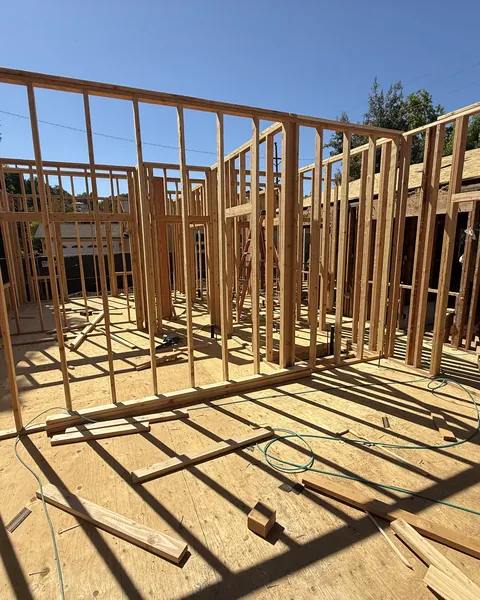
Demolition clears the space. Framing and any structural work follow. Then plumbing, electrical and heating and cooling are run inside the walls, and the city inspects them before the walls are closed.
3. Finishes and final checks
Drywall, flooring, paint, trim, cabinets, lighting and fixtures come last. A final walk-through list and the city’s final inspection close out the project.
Which part of the house should be renovated first?
Safety and structure first
Fix foundation problems, roof leaks, old wiring and failing plumbing before anything cosmetic. Finishes installed over an unsolved problem often have to come out again.
Then the rooms you use most
Kitchens and bathrooms get the most daily use and the most wear, so they’re usually next. Entryways and living areas follow.
Think about resale
If you plan to sell, kitchens, bathrooms and curb appeal (siding, landscaping, fresh exterior paint) tend to matter most to buyers.
How long does a full home renovation take?
What affects the timeline
Size and complexity matter most. Custom or imported materials can take weeks to arrive. City review, contractor schedules and hidden problems found during demolition, like damaged framing or old wiring, can all add time.
Typical durations
A small update, like new flooring or paint, may take a few weeks. A kitchen or bathroom remodel often takes 6 to 12 weeks of construction. A full renovation with structural, plumbing and electrical work can take six months or more, not counting design and permits.
How to avoid delays
Finalize the design and materials early, before demolition starts.
Order long-lead items early, like windows, cabinets and special tile.
Book inspections ahead, so the crew isn’t waiting on the city’s calendar.
Keep a contingency for hidden conditions.
How do I choose the right contractor for my remodel?
Check credentials and experience
Look for a licensed, insured contractor with work like yours. Verify the license on the Contractors State License Board website, read reviews, look at past projects and ask for references.
Compare bids, references and contracts
Get more than one detailed bid and compare what each includes, not just the total. A bid that leaves out real costs tends to come back as delays and extra charges. The contract should list the scope, price, payment schedule, timeline and warranty. Payments should follow finished work, never run ahead of it.
Agree on how you’ll communicate
Ask who your point of contact is, how often you’ll get updates, and how changes are handled. Changes should come as written change orders you approve before the work is done.
Do I need building permits for my renovation project, and how do I obtain them?
When you need a permit
In the Bay Area, permits are usually required for structural changes, electrical and plumbing work, and many exterior changes. Each city has its own rules, so check with your building department or ask your contractor before work starts.
How the process works
Your contractor or designer prepares plans, submits them with the application and answers the city’s comments until the permit is approved. On a larger project, that can take weeks or months, so start early.
Inspections
The city inspects the work at set stages, such as framing, rough plumbing and electrical, and final. Booking each inspection as that stage finishes keeps the project moving. Permitted, inspected work also protects you when you sell.
What factors should I consider when setting a remodeling budget?
Scope and priorities
List what the house needs, then what you want. Structural repairs, plumbing and electrical come before cosmetic changes.
Unexpected costs
Older homes hide surprises: mold, damaged framing, old wiring or failing pipes. Set aside 10% to 20% of the budget for them.
Quality, look and cost
Choose durable materials where they matter and simpler ones where they don’t. A clear plan, a detailed scope and a fixed price before work starts go a long way toward protecting your budget.